

In shortValentina Mishina advises a beginner from Russia to start with a coach who speaks the same language and lives in a convenient time zone, and to come to the American system later. The red flags, in her view: supplements with a promo code in the first two months, and a claim that a bikini athlete’s physique is impossible without PEDs.
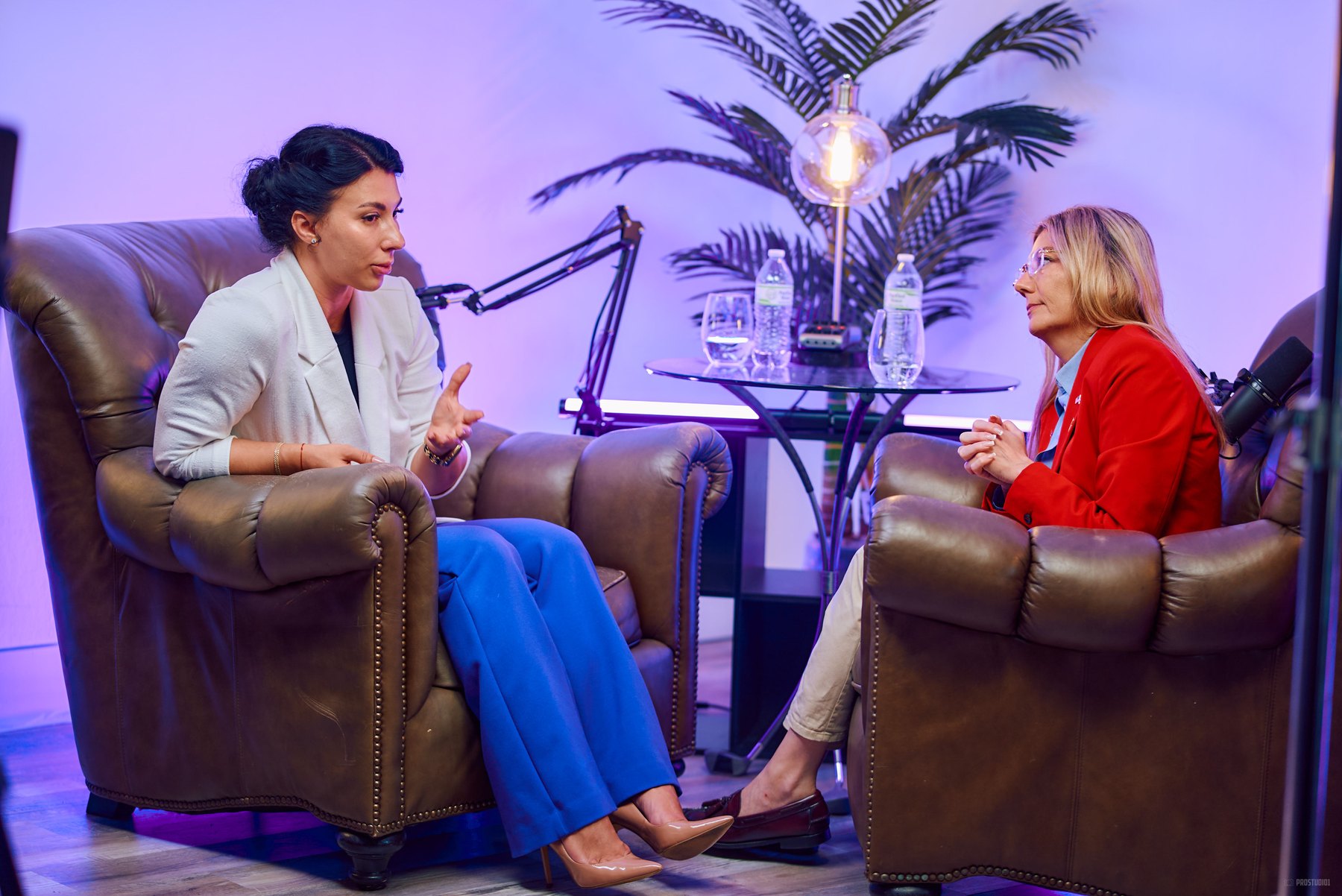
Valentina Mishina came back to my studio. The topic of this episode: how to stay in bodybuilding as long as possible — and as safely as possible.
Valentina’s main point: bodybuilding is a long game, and fast results are paid for with your health. That’s why you need to know the basics yourself, choose a coach with a clear head and build your nutrition so your body doesn’t get stuck in one place. Everything below is her opinion and her experience, not medical advice.

How do you choose a bodybuilding coach if you’re aiming for the American stage?
My question was blunt: what would she tell a girl who has set her heart on the Olympia? Valentina said there are several options, but here’s how she personally sees it. If you live in Russia, she doesn’t recommend hiring an American coach right away. What matters more to her is real contact, the chance to meet in person and being in the same time zone: sometimes you need to ask a question at a specific moment and get an answer right then. A lot of people don’t realize that.
The second reason, she says, is mentality. The American system works differently: different groceries, a different lifestyle, a different way of making a living. A Russian, Valentina believes, will understand another Russian faster. And the ideal coach and client are two people looking in the same direction, talking about the same federation and the same criteria.
She singles out the most troubling scenario. A girl with no English hires a coach, and when asked how she’ll discuss the details, she answers: “There’s a translator.” Yet this is about her health — and she’s handing it to someone she can’t talk to in the same language.
When it comes to bodybuilding, it’s a long game. It’s a sport — no, it’s not even a sport, it’s a lifestyle, and it’s for years.Watch this moment · 06:01
You can’t do it fast, Valentina believes: people aren’t ready to admit how many years it takes to build a physique, so they look for a magic pill and believe the “before and after” transformations that coaches love to post.
America is about selling. It’s not about quality at all — it’s about quantity.Watch this moment · 06:41
Valentina puts this down to American taxes and prices: to survive, you have to earn, so medicine and the fitness industry alike, as she sees it, run on volume. Hence her advice: don’t rush to an American coach for quick results — first find a specialist who speaks your language. She has worked with both and says that in her early years she would have made a lot of mistakes with an American coach. Later, once you have a foundation, the American experience comes in handy: to understand the system and not fall for the “transformations.”
How can you tell a coach is selling, not coaching?
Valentina named the first warning sign right away. If, in your first two months together, a coach starts offering you supplements they’re happy to sell you, she has questions. She made a point about amino acids and creatine: even there, she would ask why someone who has just walked into the gym and is building a physique from scratch needs supplements.
Her logic is simple. Amino acids are the building blocks of protein, and protein is food: poultry, fish and, for vegetarians, legumes too — even if they don’t have a complete amino acid profile.
The body is a unique machine that will respond to a new stimulus. You just need to give it building material from food.Watch this moment · 08:39
Hence her second piece of advice: learn the basics of nutrition, with your coach or on your own. It’s all freely available now, and at least for your own sake you need to understand what protein, fat and carbs are, look at what you eat and see where you’re falling short. Go over your menu with your coach. She immediately added a fair caveat: maybe your coach simply sees that you don’t have time to eat and suggests a protein shake. So you have to think everything through — in no field can you trust someone blindly, one hundred percent.
Do you need PEDs to compete in Bikini?
If a coach tells you right away that this kind of physique is impossible without PEDs, Valentina’s advice is to run. The Bikini division, she says, was designed with sales in mind: bikini athletes advertise sportswear, sports nutrition, vitamins and accessories. They are slim, toned women without pronounced muscle mass. In her view, this division doesn’t require PEDs if you’ve put in the prep, stuck to your nutrition, built muscle and gotten shredded for the stage.
Then she drew a distinction. Say you competed as an amateur at a solid show, won and earned your pro card. Even then, there’s no need to fill your head with thoughts about PEDs right away: you can test yourself at more local pro shows, because pro shows, too, range from big ones to smaller ones.
These days, as she sees it, people lack patience. Overloaded with information on social media, they latch onto anyone who promises fast results and think about neither their health nor their longevity in the sport. Some are counting on cashing in on a quick physique within two months, and in that race they don’t stop to think about the consequences.
How should you eat during prep — and why do you need variety?
I asked how she feels about “crashes and binges” versus eating the same steady way all through prep. Valentina’s answer: the most important thing for the health of an athlete in good shape is variety.
In my opinion, the most important thing for the health of an athlete in good shape is variety.Watch this moment · 42:30
Every diet, she says, has its place for a certain stretch of time. Training runs in cycles, and so does nutrition. She recalls that when she brought her physique to the Olympia, she stuck with one training cycle for four to six weeks, then a second one for just as long, then a third — and that kept her from hitting a plateau.
At the same time, prep isn’t about strict bans:
My ideal number is 20 weeks out from the stage. You have to start your prep.Watch this moment · 44:08
If something goes wrong and your body stops responding, she suggests switching your energy source for a short time. But that’s work to do with a specialist, and any nutrition protocol, she stresses, has to be cleared with a doctor: with pancreas problems, for example, you have to be careful with keto. She says she has seen plateaus broken without starving or crazy protocols — just by changing the fuel.
What I’m taking away from this conversation
1. A beginner is better off starting with a coach who speaks the same language and lives in a convenient time zone. The American system is worth studying later, once you already have a foundation. 2. If you’re being sold supplements with a promo code in your first two months, ask yourself and your coach why you need them. You can’t trust anyone blindly. 3. You need to know the basics of nutrition yourself: protein, fat, carbs and your own diet. The information is out there. 4. Bodybuilding is a long game, and fast results, according to Valentina, are paid for with your health. 5. Nutrition needs variety, and any nutrition protocol should be cleared with a doctor.
The full episode with Valentina Mishina is in Russian, on my YouTube channel Without Borders. This is her personal experience, not medical advice: talk to your doctor before changing your diet or training.




 Kristina Samofal
 Photo & Video Production