

In shortOlympia 2026 results in every division: Mr. Olympia, Classic Physique, Wellness, Bikini, Fit Model. Who won, the prize money and peak week, with a coach.
Olympia is the biggest bodybuilding show of the year. Every year the best athletes in the world walk onstage in Las Vegas, and for a week afterward all of Instagram argues about who earned the title and who “just stood there looking pretty.” This year brought more surprises than usual: a dark horse in Bikini, the first Fit Model champion in history, a new king of Classic Physique who proved that “waiting your turn” doesn’t work, and Nick Walker, who gets talked about more than everyone else combined.
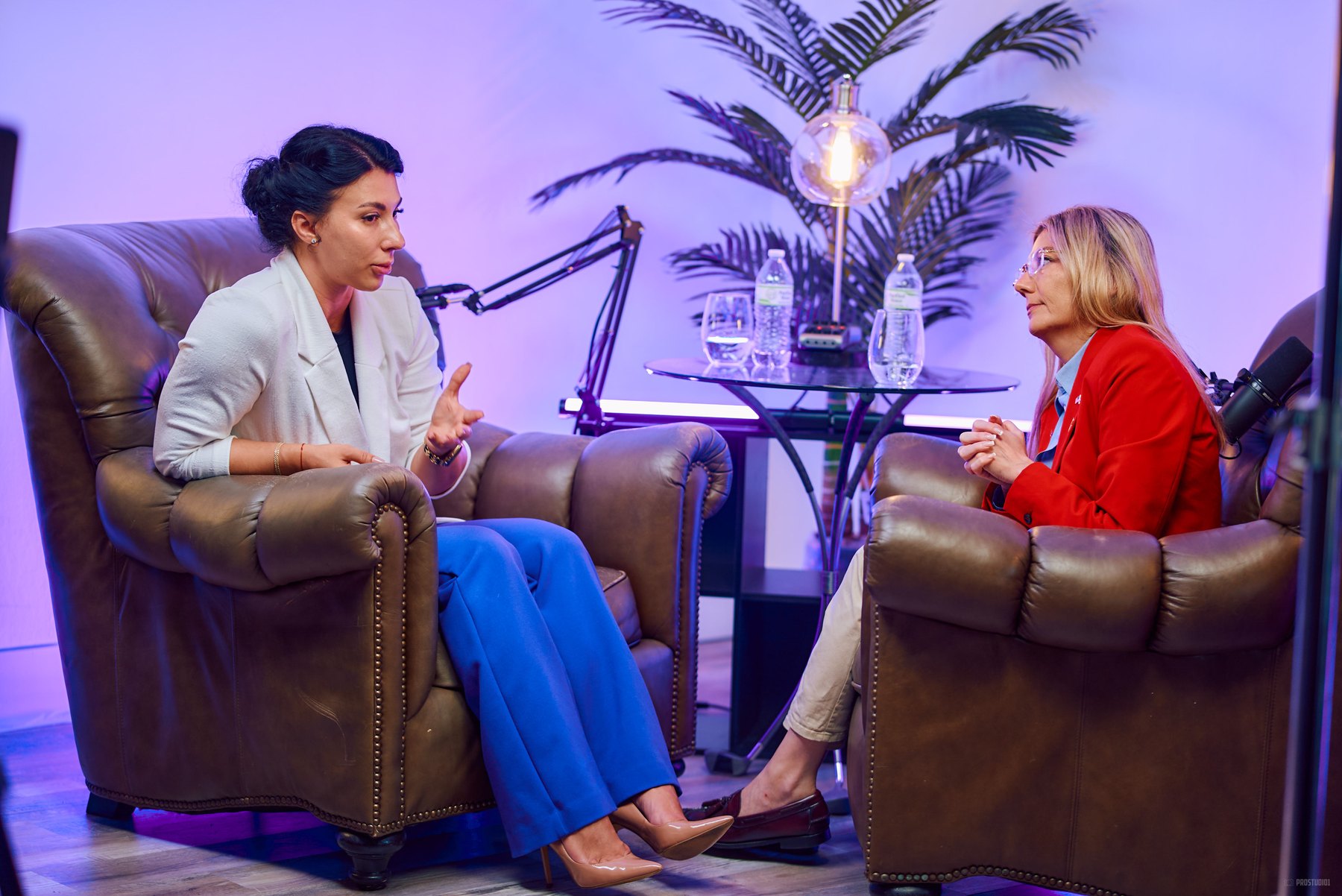
To break it all down on my YouTube project Without Borders, I invited Danil Arsenyev — Danik to his friends. He is a coach who has produced 13 pro athletes: 9 in Bikini, 3 in Fit Model and 1 Wellness Pro. One of his athletes is an overall Arnold Classic champion. He was at this Olympia in person, standing backstage a few feet from the competitors. We called ourselves “armchair critics,” but honestly, nobody breaks things down like this from the couch.
Below are the Mr. Olympia 2026 results in every division, the coach’s take on each one, and the question our followers asked most: what kind of peak week works for everyone?
The episode is in Russian; on YouTube you can turn on auto-translated English subtitles.
- 01Nick Walker
- 02Samson Dauda
- 03Derek Lunsford
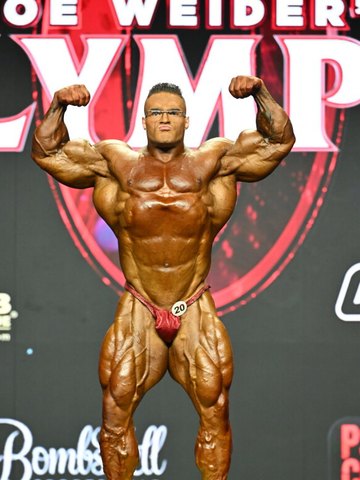 #1Nick Walker
- 01Niall Darwen
- 02Mike Sommerfeld
- 03Ramon Dino
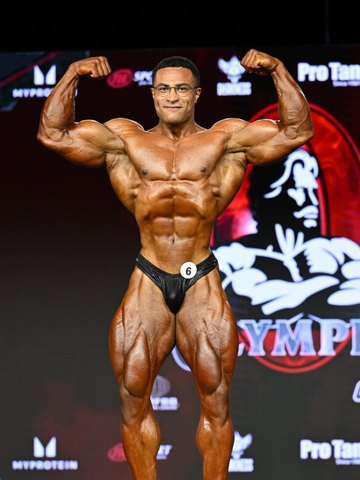 #1Niall Darwen
- 01Ryan Terry
- 02Ali Bilal
- 03Kyron Holden
- 01Keone Pearson
- 02Lucas Garcia
- 03Shaun Clarida
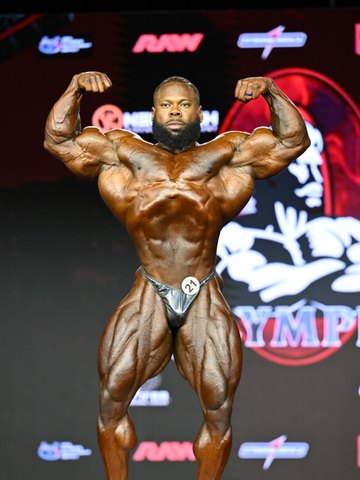 #1Keone Pearson
- 01Andrea Shaw
- 02Ashley Lynnette Jones
- 03Leyvina Rodrigues Barros
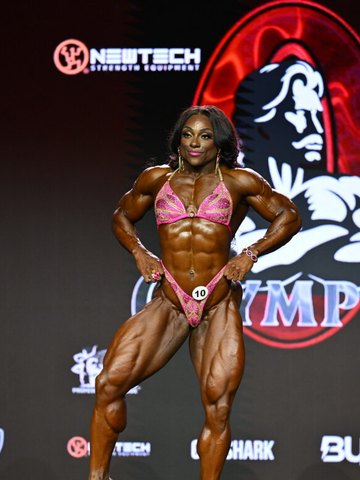 #1Andrea Shaw
- 01Natalia Coelho
- 02Zama Benta
- 03Sarah Villegas
- 01Lola Montez
- 02Jessica Reyes Padilla
- 03Denise Zwinger-Tynek
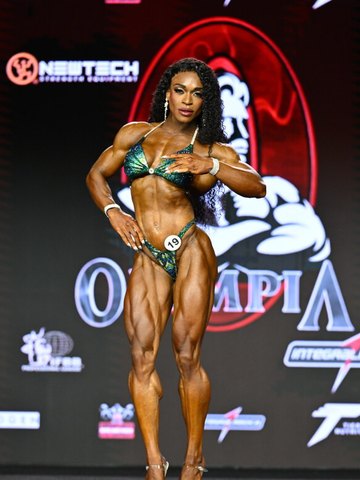 #1Lola Montez
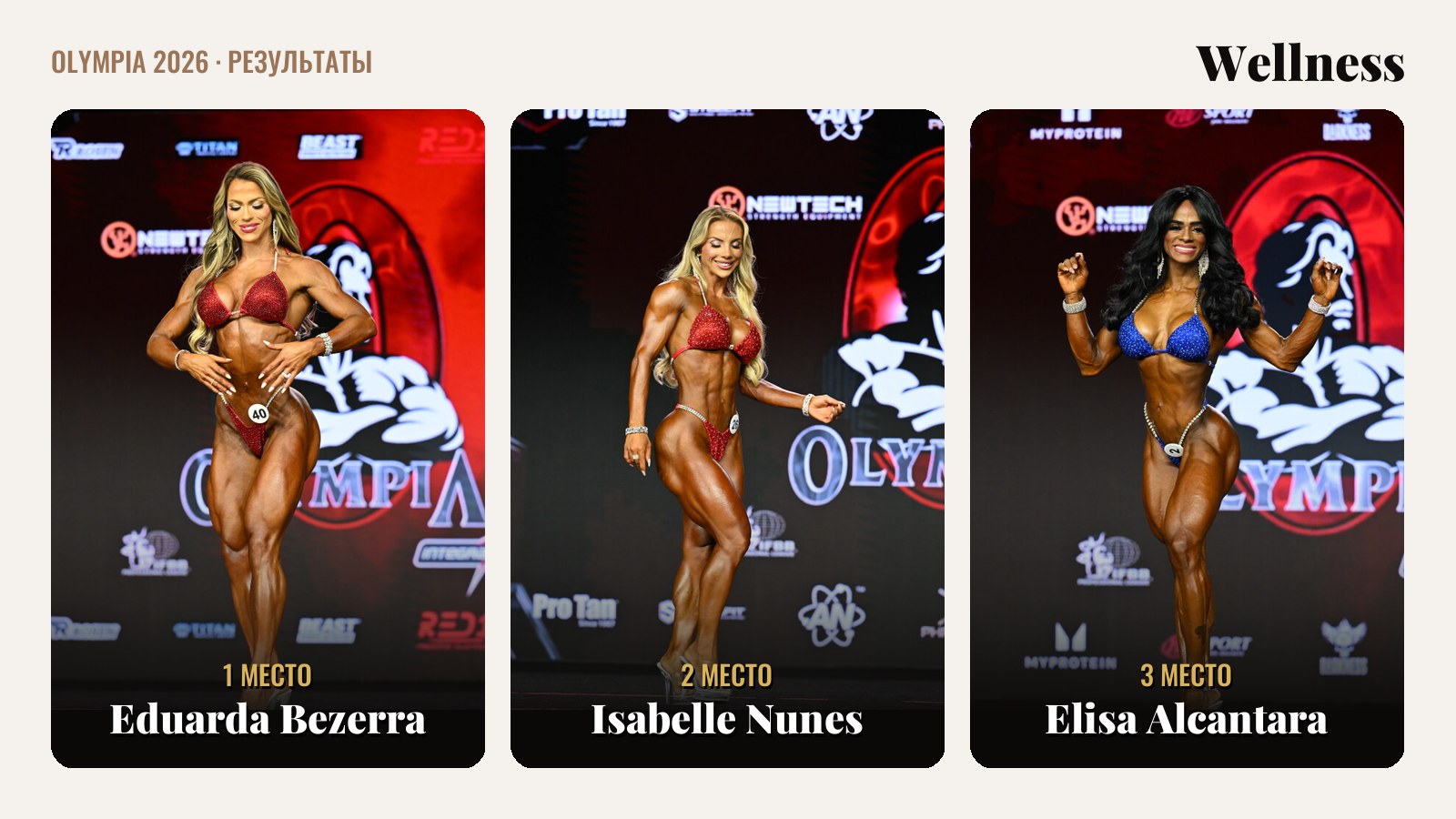
- 01Eduarda Bezerra
- 02Isabelle Nunes
- 03Elisa Alcantara
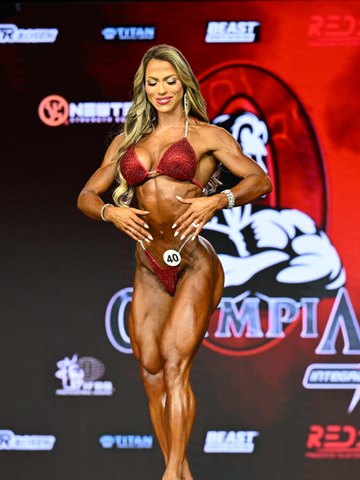 #1Eduarda Bezerra
- 01Jasmine Gonzalez
- 02Maureen Blanquisco
- 03Aimee Delgado
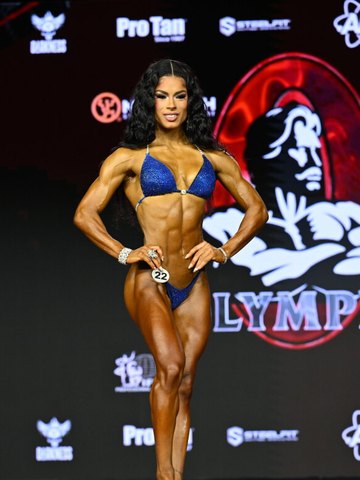 #1Jasmine Gonzalez
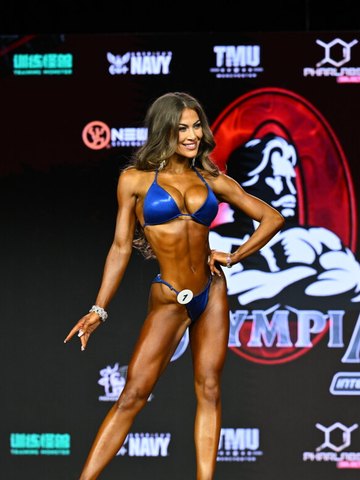
- 01Shealynn Burnett
- 02Gabriela Queiroz
- 03Jane Jones
 #1Shealynn Burnett
Why Olympia judges don’t set the standard
Every year after Olympia, it’s the same story. One woman wins, and everyone decides the judges have set the standard: now you have to look like her. Danik disagreed from the very first minute.
The judges absolutely do not choose or set any standard in a division.Watch this moment · 2:13
His logic is simple. Mentally take the winner off the list. Who becomes number one? Most likely, whoever was second. Now put first and second place side by side: two completely different physiques. So there is no single standard. There are athletes, each of whom has pushed their own genetics to the limit.
The Wellness division: what it is and why Eduarda Bezerra won
Wellness at this Olympia went to Brazil’s Eduarda Bezerra. Isabelle Nunes was second, Elisa Alcantara third. And right away came the question everyone was asking: why did such a small, delicate woman win? Does that mean Wellness no longer needs huge legs?
Danik saw Eduarda onstage, backstage, and later at the banquet in a fitted dress. His verdict: her upper body — shoulders, rib cage, waist — is roughly that of a model Bikini competitor. Some Bikini athletes are even bigger up top. A couple of weeks before the show, Eduarda posted a story measuring her waist: 58 centimeters. Top Bikini pros often have waists of 60 or 62–63 cm.
Eduarda’s waist is 58 cm: compared with top Bikini athletes
▶Watch the clipAnd that is exactly what the rules call for. The IFBB Pro League guidelines say the Wellness upper body is the same as in Bikini; only the lower body dominates. Eduarda, in Danik’s words, is the gold standard, a literal fit with the rules. Why her physique looked smaller this year than last, he won’t say for sure: it could be strategy, the cost of dieting down, or peak week.
The gap between first and second was a single point, 7 versus 8. Yet in photos, Isabelle Nunes looks much fuller through the legs. Danik explains it with a story from real life: his Diana once swapped leggings with a friend whose legs “look thinner” — and the friend’s leggings turned out to be too big for Diana.
Bodybuilding, as they say, is a sport of illusions.Watch this moment · 7:07
So what changed for Isabelle this season? In Danik’s view, above all, her posing: how she twists her torso, how she presents her chest and hip, even how she places her foot. Many people think her physique changed. What really changed was the presentation.
How to tell if you’re Wellness, not Bikini
This may be the most common question from women and coaches alike. Plenty of them go into Wellness by mistake: “I’m not Bikini, I’m bigger, I don’t like Bodyfitness — so I must be Wellness.” No. If a woman has a big frame and a powerful rib cage, then once she starts building her legs, she turns, in Danik’s words, into “a nightstand.” Or a rhino — he remembered the one from the Spider-Man cartoon.
Here are the signs a coach looks for to spot natural, genetic Wellness:
Three signs of Wellness — coach Danil Arsenyev
▶Watch the clipOne more thing that matters: you can’t see your genetics until you’ve built the muscle. It isn’t only about size, but about how the muscles “pack” together. Selection in Wellness is so brutal that you can win a pro show and still miss the Olympia top 10. A pro win doesn’t mean an Olympia top 10.
On surgery and cosmetic procedures, Danik was candid: it stopped being a secret long ago. But tuning makes an expensive car better; it won’t fix an old one. If you’re fifth at that level, fine adjustments might move you up to fourth. From twentieth to the top three — never.
The Fit Model division: requirements, and why it’s the hardest
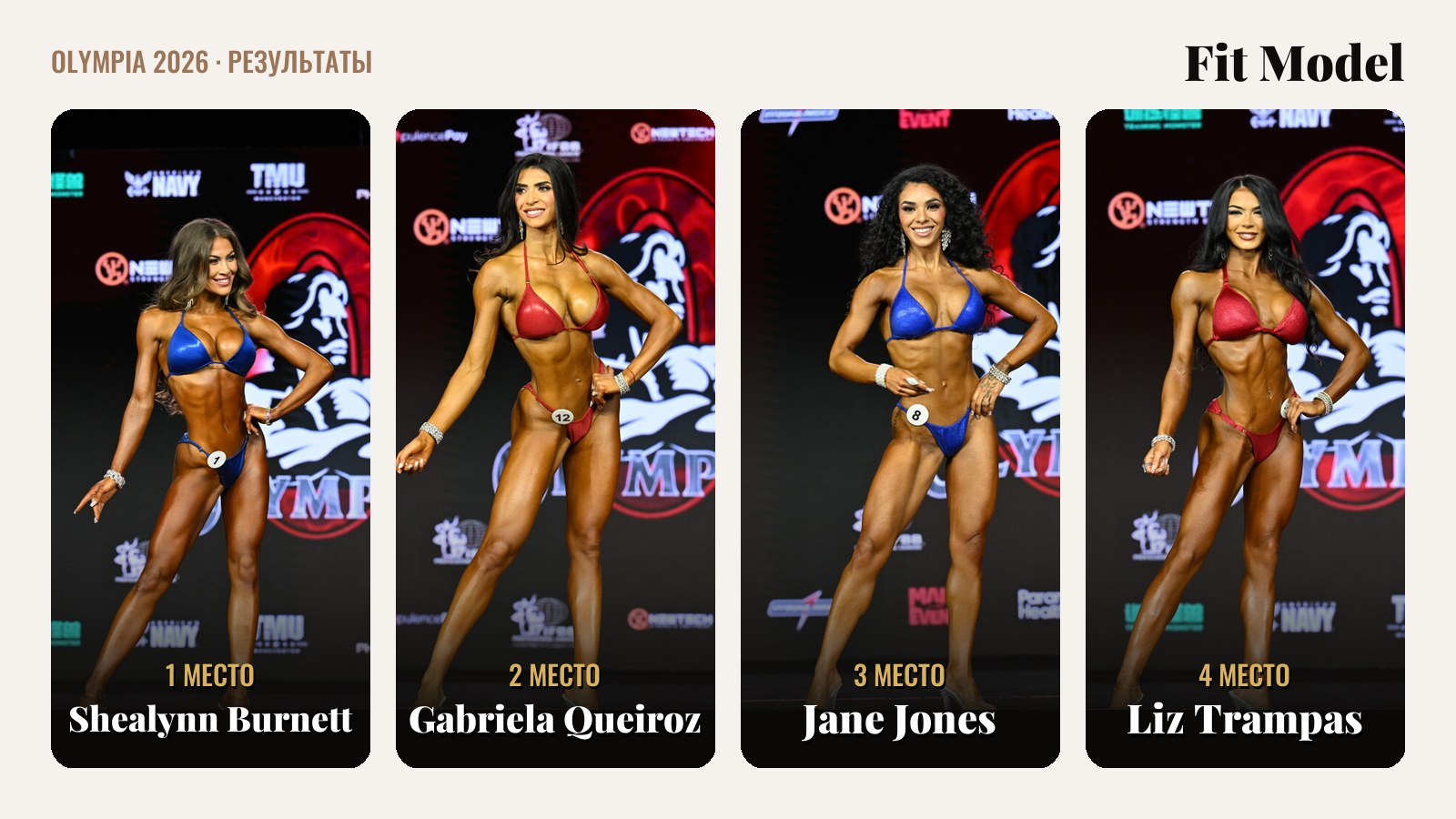
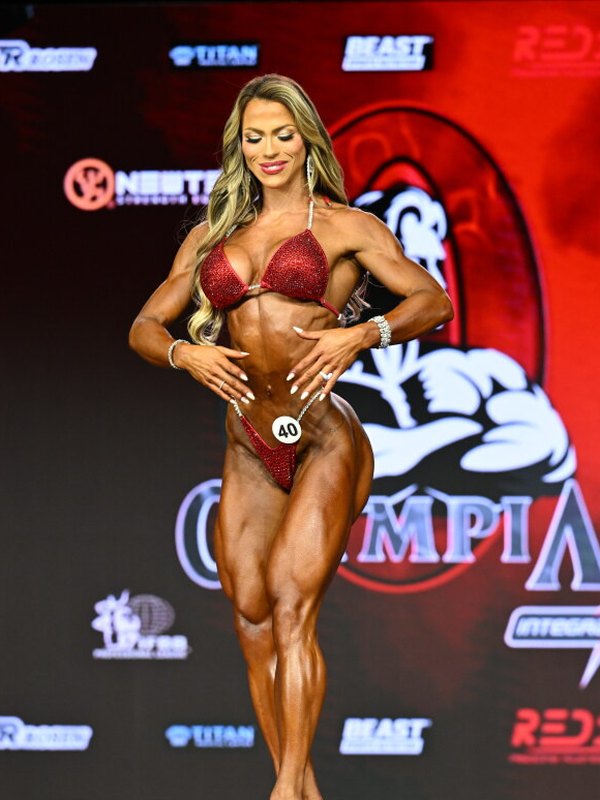
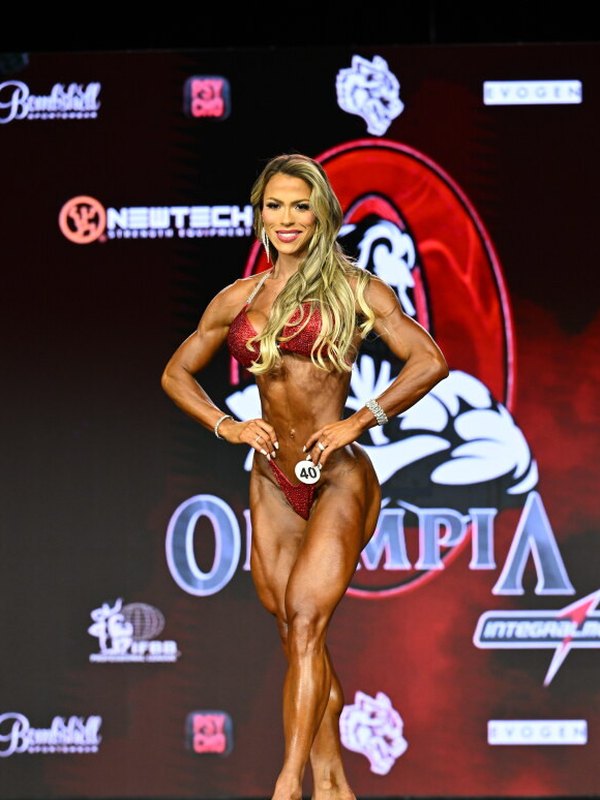
This year Olympia crowned a Fit Model champion for the first time: Shealynn Burnett. Gabriela Queiroz was second, Jane Jones third, Liz Trampas fourth. A lot of people don’t even understand what this division is doing in bodybuilding, or whether it’s just a beauty pageant.
The Fit Model division is one of the hardest, even though it’s the simplest in terms of muscular development.Watch this moment · 17:16
Danik knows what he’s talking about: he has three Fit Models with pro cards. The difficulty is that a coach can’t tell what conditioning the judges want. An athlete walks out looking, if anything, not lean enough — and the judges say: too much conditioning, too dry for the division.
He described it as a casting call. In come 200–300 slim girls in swimsuits, and none of them can pose. The coach looks only at the frame: the structure of the pelvis, the rib cage, the legs, skin tone. Some girls have never set foot in a gym, yet in the right stance they look good enough to win a mid-level show. Others can hip-thrust 200 kg and still look like “a twig” when they stand.
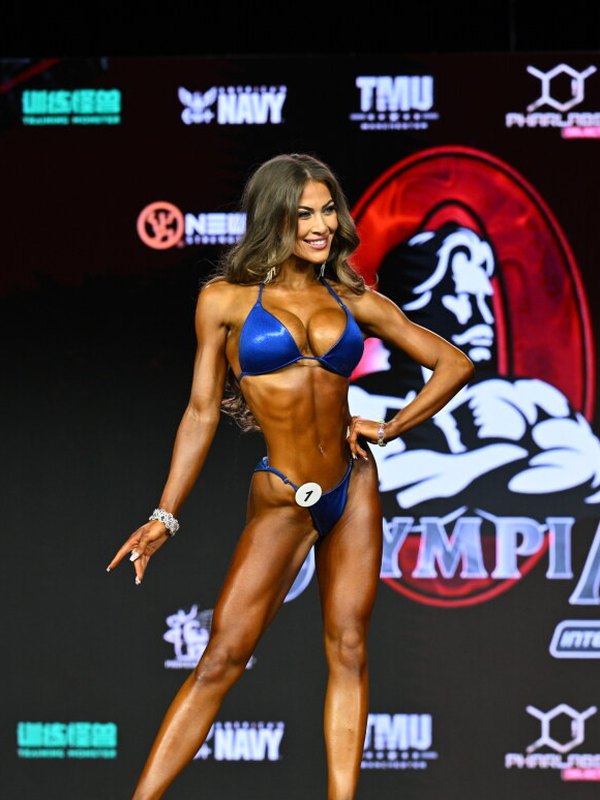
A casting call of 200–300 girls: how a coach spots a fit model
▶Watch the clipUnder the judging criteria, a Fit Model is a woman you could put on a magazine cover: skin, hair, proportions, beautiful posing, a small waist. For many of them, the silhouette only works in the stance: leg out to the side, hips turned, arm hanging loose. Relaxed, Danik says, many don’t look athletic at all. So, ladies, put down the pastries — there may be a fit model hiding in you.
Figure at Olympia 2026: why Lola Montez finally won
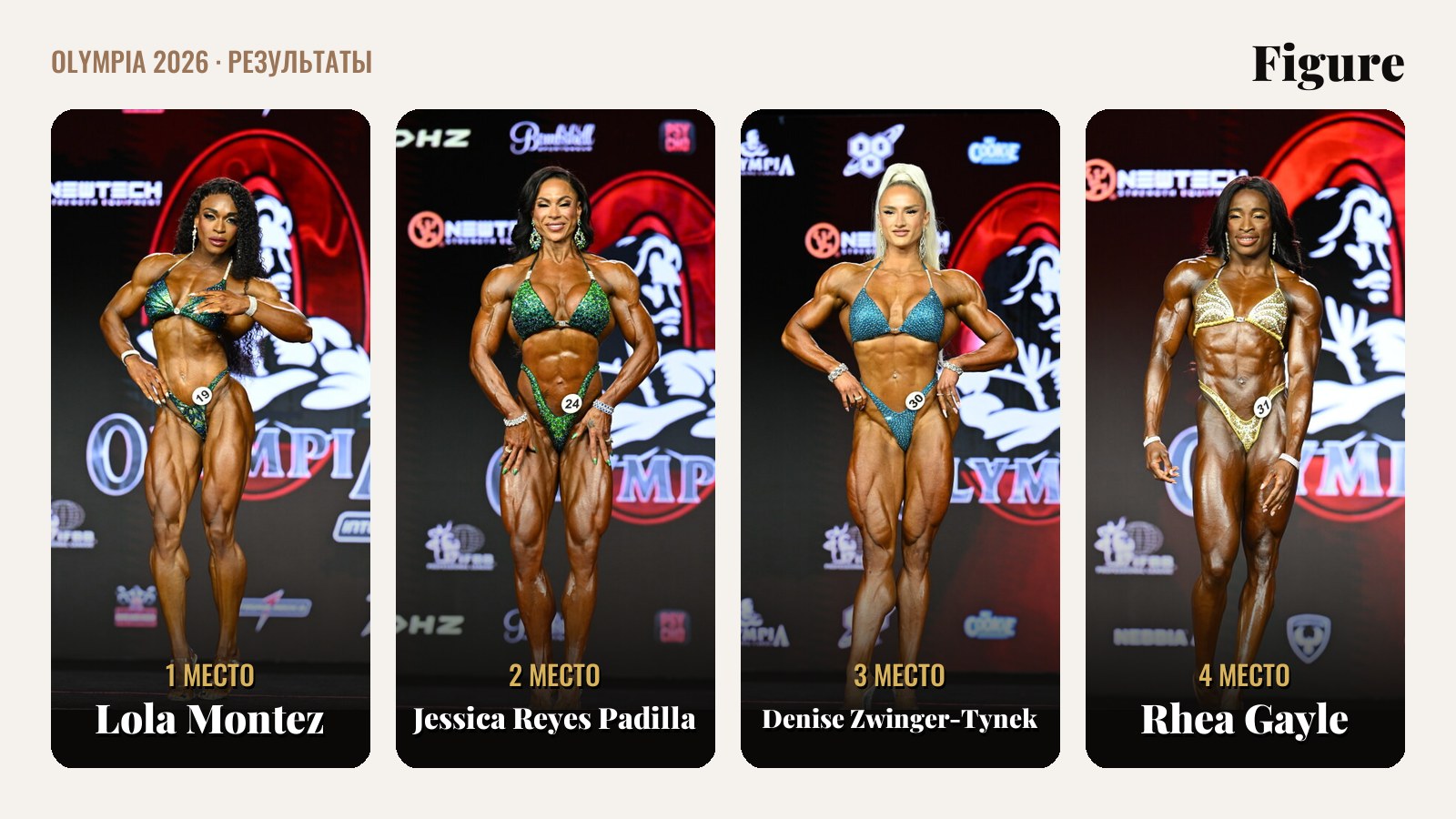
Figure went to Lola Montez. Jessica Reyes Padilla was second, Denise Zwinger-Tynek third. Last year’s champion, Rhea Gayle, slipped to fourth. Lola took the long road to the title: she placed fifth, then fourth, but kept running into the division’s dominant force, Cydney Gillon, who won Figure Olympia eight times in a row.
The most important thing this year, Danik and I agree, is that Figure finally looks different from Women’s Physique again. In recent years the line had blurred, and the women had started to look alike. The Figure ideal is a narrow waist, narrow knees, muscle that sits right, and depth without fine striations.
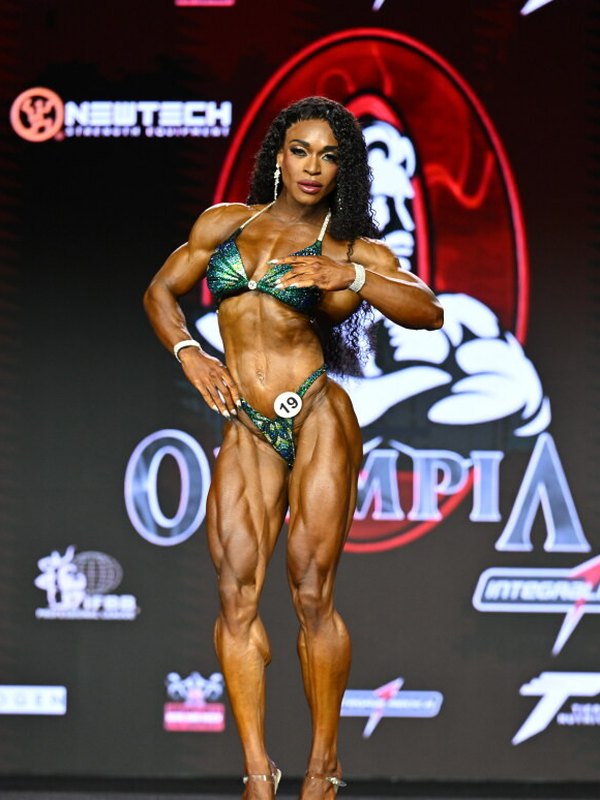
The Figure ideal: narrow waist, narrow knees, no striations
▶Watch the clipMany women, especially from the former Soviet countries, chase striations: they want everything to look striped. But on the Olympia stage, the top Figure athletes don’t have them. They have depth and shape. When Lola won, my followers started sending me my own old screenshots with the caption “time for a comeback.” Danik, by the way, would put me in Figure too.
Bikini at Olympia 2026: why a dark horse won
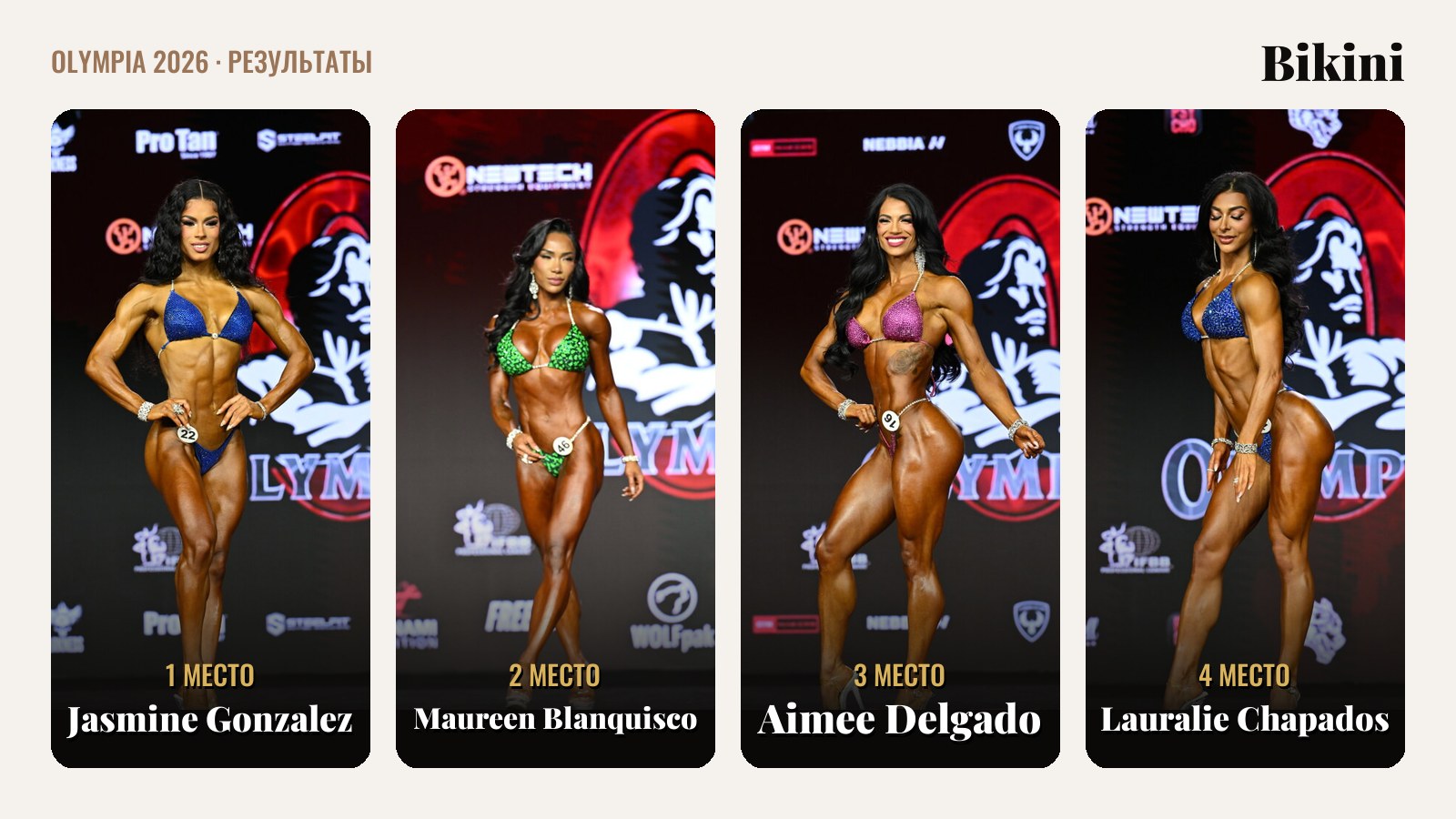
First place in Bikini went to Jasmine Gonzalez, a woman almost nobody had picked. Maureen Blanquisco was second, Aimee Delgado third, Lauralie Chapados fourth. Danik never makes Bikini predictions, and here’s why.
Delgado and Chapados have both won the Arnold Classic, and both have placed in the Olympia top 5. This year they met at the Pittsburgh Pro and the Miami Pro and took turns beating each other. It all comes down to conditioning on the day: one comes in a little drier, the other holds a little water, and the placings flip. At the same time, a reigning champion won’t be placed below second as long as she shows up in at least decent shape: the judges know her, and her status doesn’t allow it.
Strive to be the best version of yourself.Watch this moment · 29:39
Danik’s advice to every woman: don’t try to be a copy of the champion. Play up your own genetics — that’s exactly what every one of the top athletes does.
Women’s Physique and Ms. Olympia: genetics decides
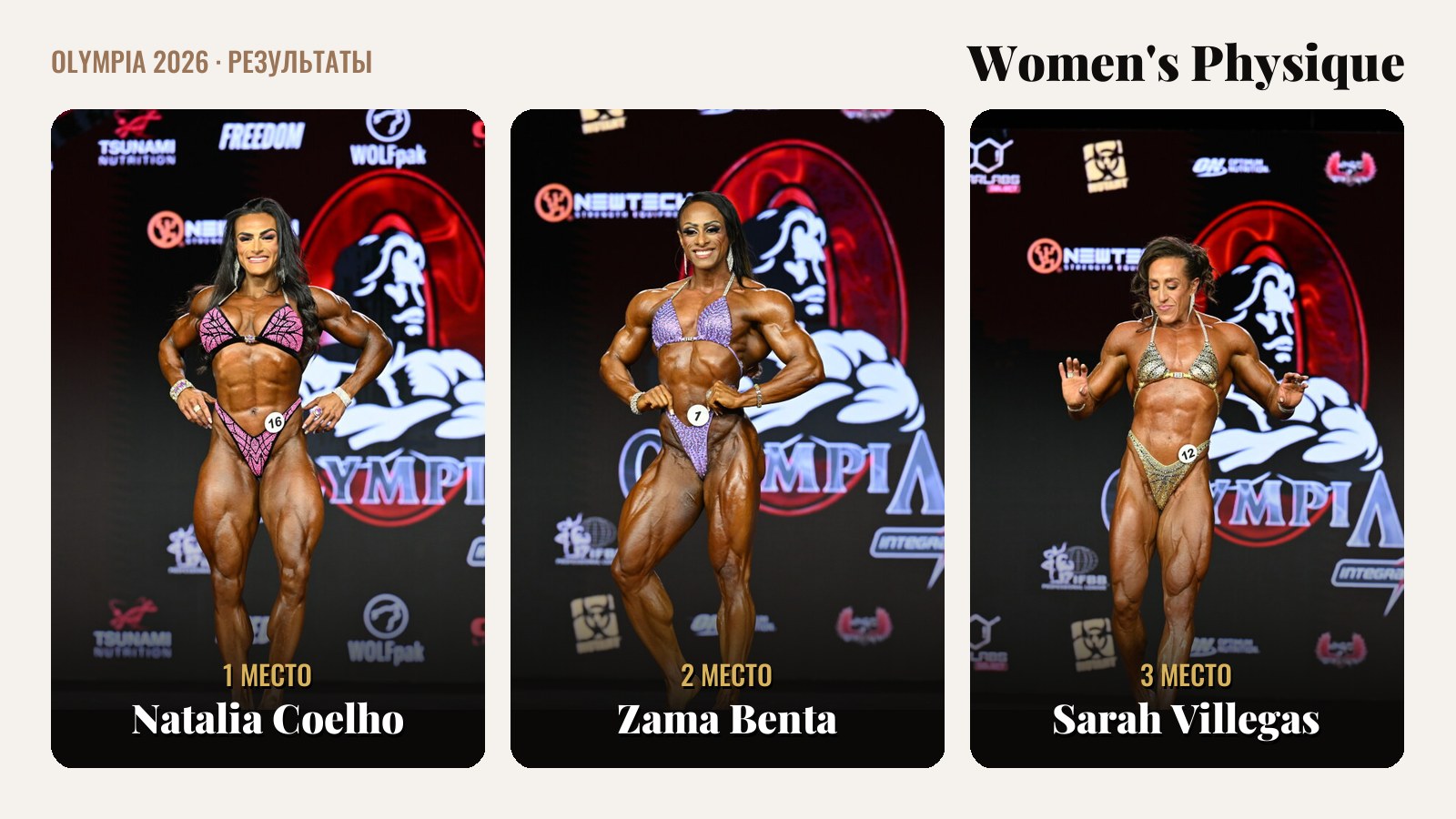
Women’s Physique went to Natalia Coelho again, her third title. Zama Benta was second, and Sarah Villegas was third this year. Danik explained how Natalia got past Sarah: Sarah was always harder and drier, but Natalia has better proportions in the key poses, the front and back double biceps. Once Natalia learned to bring the same quality as Sarah, it was decided.
When a genetically gifted athlete learns to bring quality, it’s game over.Watch this moment · 34:59
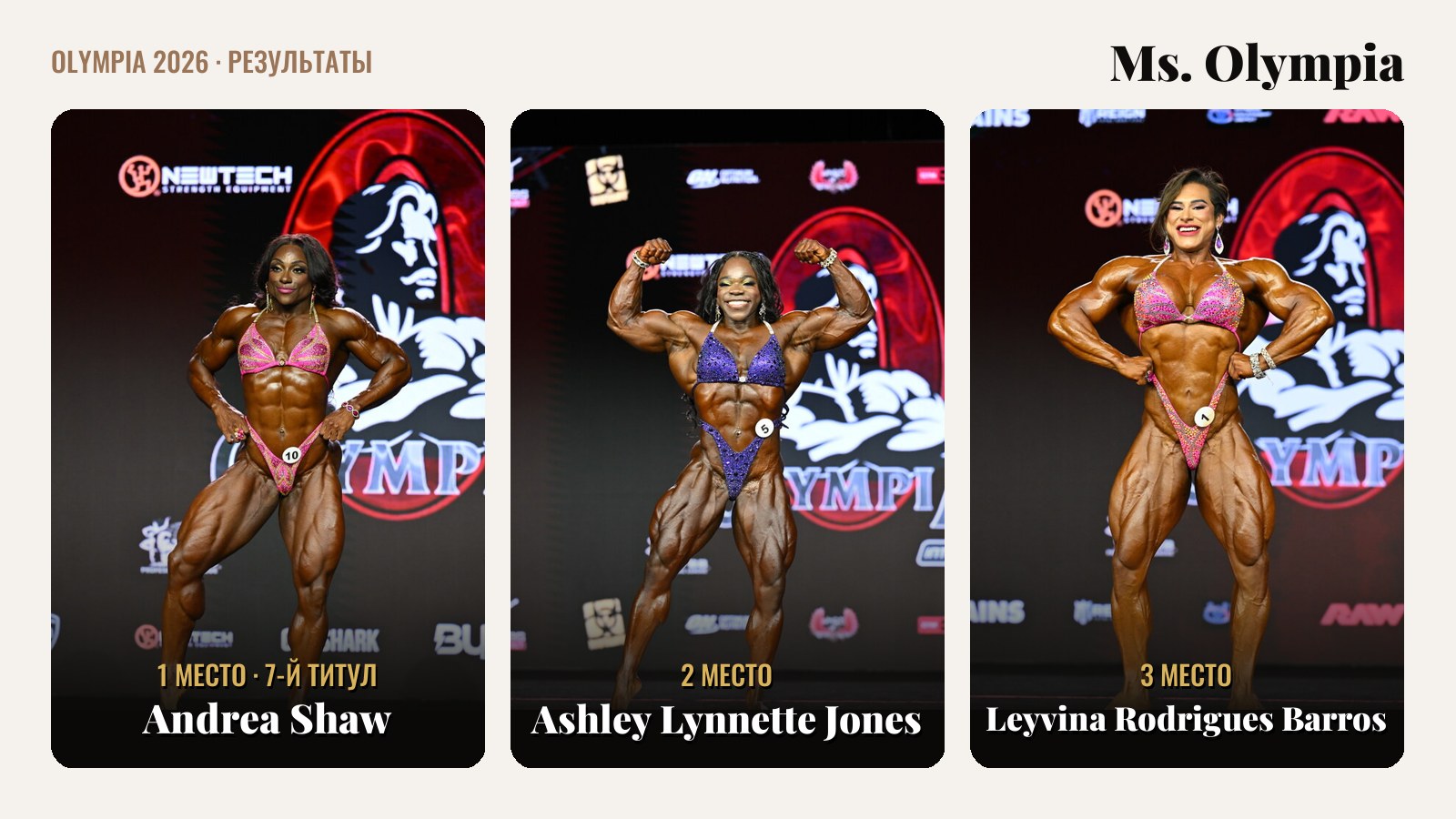
Ms. Olympia is Andrea Shaw again; she now has 7 titles. Ashley Lynnette Jones was second, Leyvina Rodrigues Barros third. She stays feminine with all that muscle, with great hair and a pretty face. Why do so many of our athletes from back home struggle to pull that off in this division? According to Danik, Andrea is a combination of ultra-genetics and an exceptional response to training. Those who got less from their genes have to make up for it with dosages, and then come the side effects: hair loss, changes in the voice and facial features. Genetics decides.
By the way, Danik admitted that if Valentina Mishina decided to return to the stage, he’d gladly help with her prep. Valya, take this as a sign.
Why Nick Walker won Mr. Olympia 2026 despite the veins in his legs
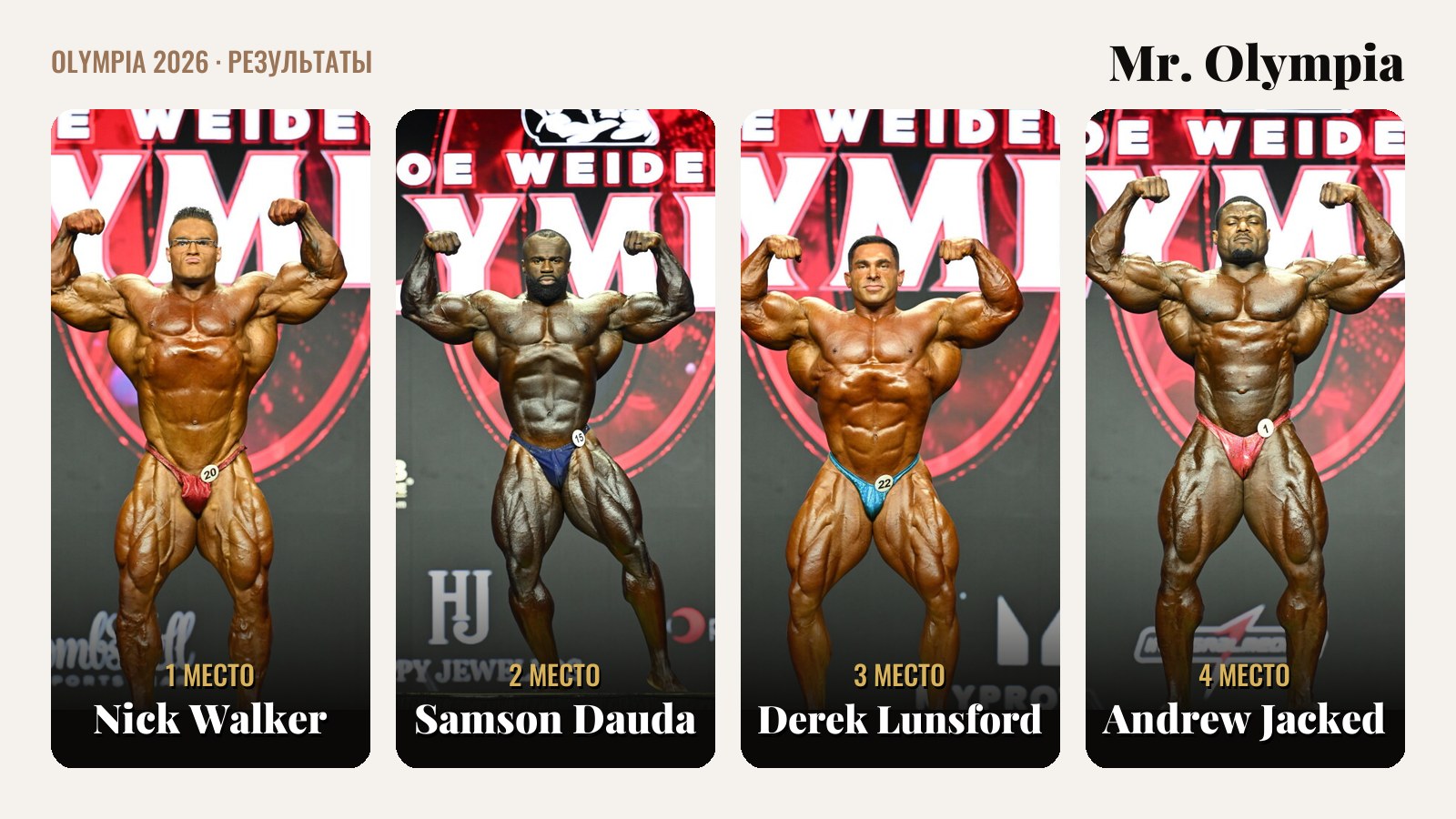
Mr. Olympia 2026 is Nick Walker. Samson Dauda was second, Derek Lunsford third, Andrew Jacked fourth. Walker is the most debated winner of the year: veins in his legs, varicose veins, his stomach, a “wrong” structure. Even Golden Era legends criticize him. Danik and I aren’t fans of his proportions either; aesthetically, Dauda and Jacked are closer to our taste. But we worked out why he won anyway.
First: you don’t lose placings for varicose veins. Otherwise, the question is why you’d drop to second, and not to fifth or last. Second: the judges score pose by pose. Front double biceps: 1–0. Side chest: 1–1. Walker can lose individual poses and have the widest waist, but he wins most of the poses. When he isn’t flexing, his torso and stomach stand out. When he hits a pose, he wins.
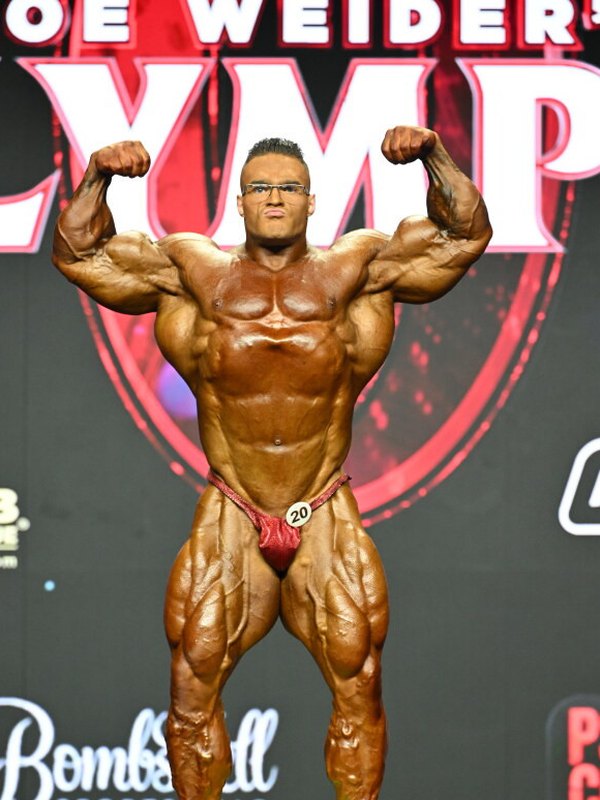
Scoring pose by pose: how Nick Walker won Mr. Olympia
▶Watch the clipAnd for one thing he has earned real respect: he kept going after the title through all the hate and never let anyone doubt he could do it.
Classic Physique Olympia 2026: why “waiting your turn” didn’t work
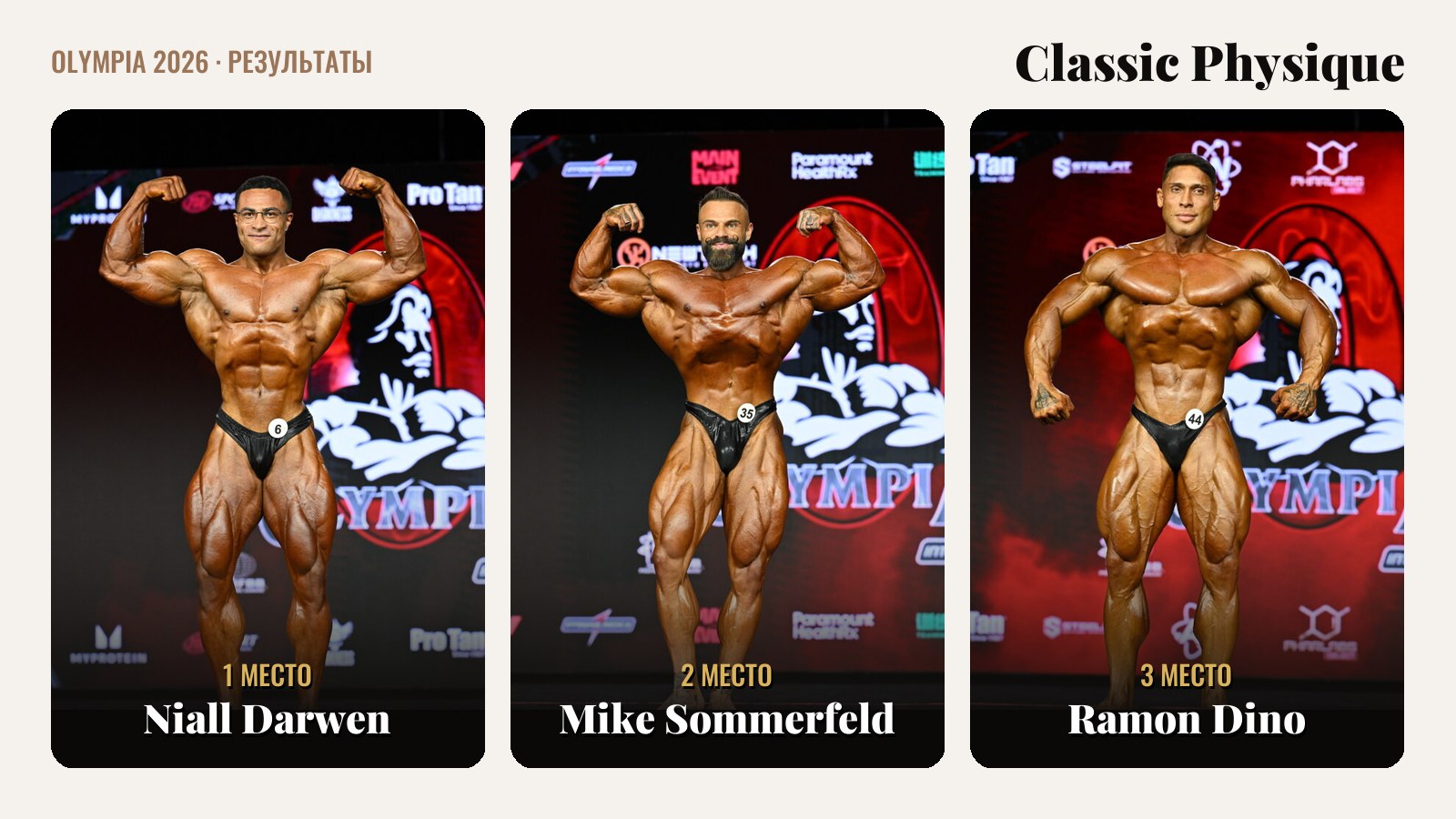
Classic Physique went to Niall Darwen. Mike Sommerfeld was second, Ramon Dino third, Terrence Ruffin fifth. Everyone had gotten used to Chris Bumstead, who won Classic Physique six years in a row and showed up with a new set of striations every year. With him off the stage, everyone expected the title to go to Ramon Dino, or finally to Mike.
People at Olympia often talk about “the line”: put in your time at second and you’ll get the title. Mike has now been second three times. But not long ago Darwen wasn’t even in the top 10; last year he jumped to fifth, and this year he’s Mr. Olympia in Classic. The line theory doesn’t hold. Danik also singled out Terrence Ruffin: classic Golden Era poses and, in his opinion, the best posing in the division today.
Men’s Physique and 212: Ryan Terry and Keone Pearson
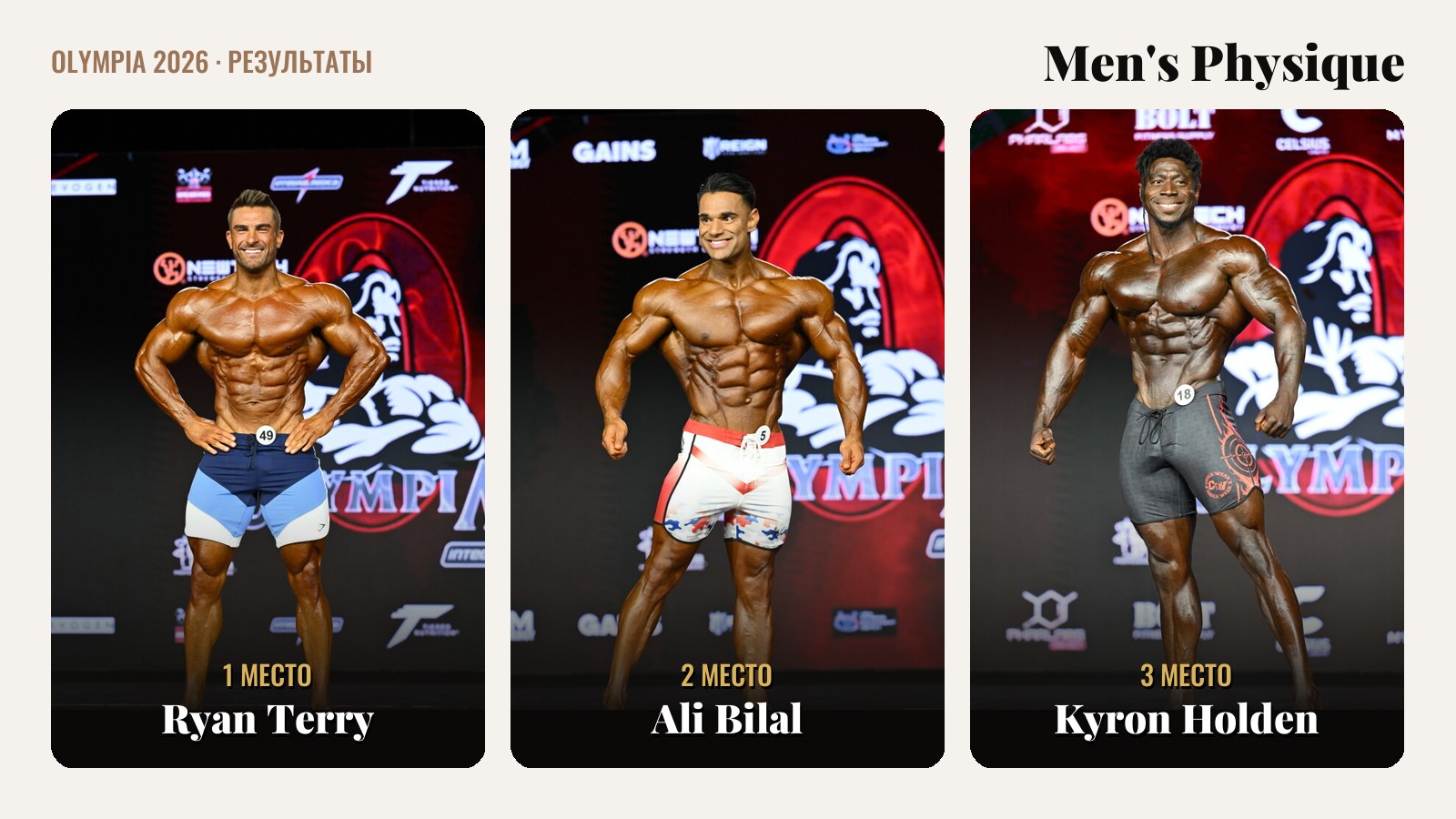
Men’s Physique went to Ryan Terry again, with Ali Bilal second and Kyron Holden third. Terry is smaller than his rivals everywhere: shoulders, back, chest. But in this division, Danik believes, the judges give the win to the most balanced physique. And diastasis recti doesn’t affect the result: both Ronnie Coleman and Keone Pearson have won with it.
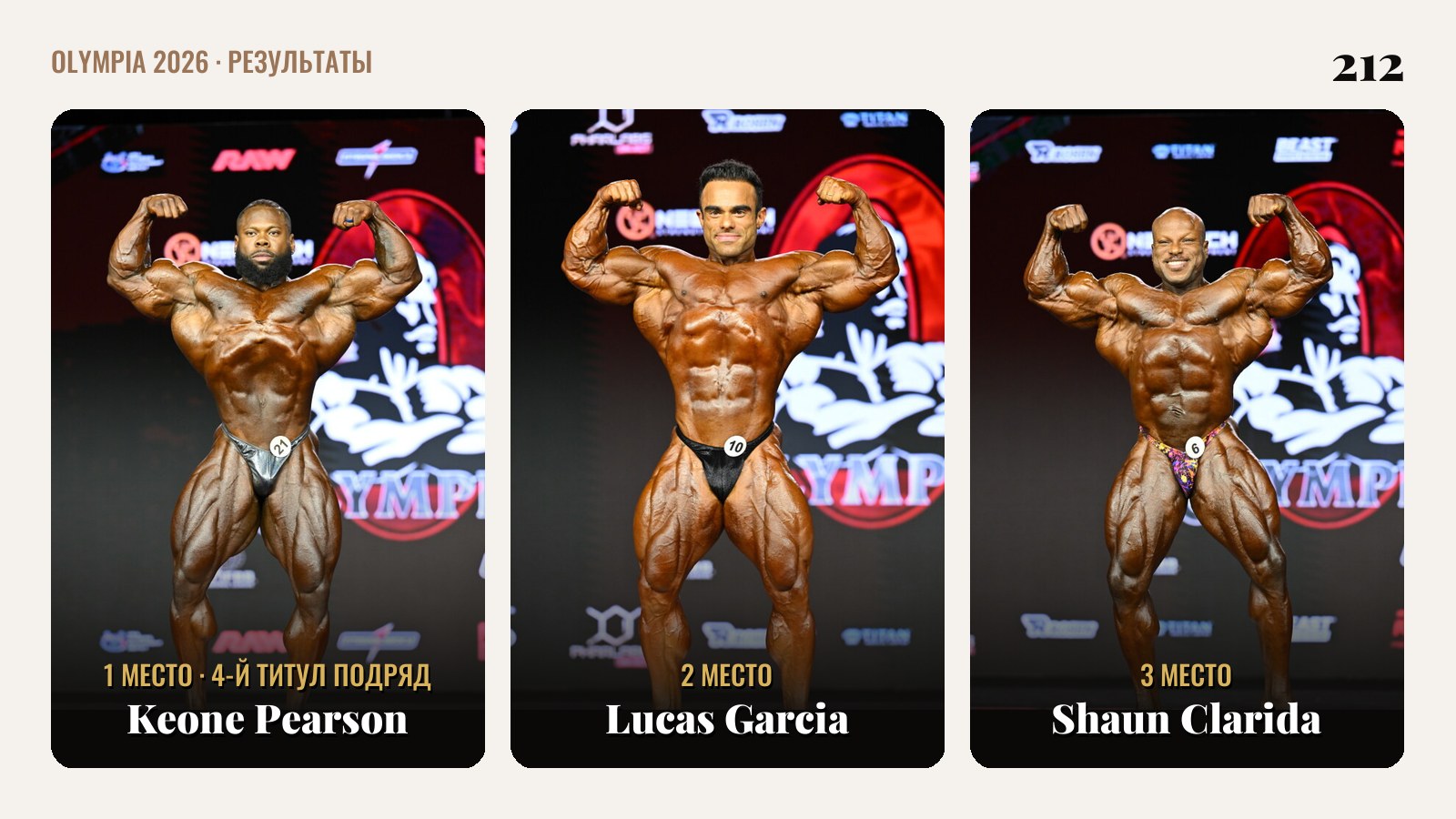
In 212, Keone Pearson took his fourth straight title. Second was Lucas Garcia, who made huge progress in a single year. Third was two-time champion Shaun Clarida. According to Danik, the only way to beat Pearson is if he loses consistency — the way Jay Cutler once beat Ronnie Coleman, not because he got better, but because Coleman slipped a little.
How much does Mr. Olympia win? 2026 prize money
Winning the main title, Mr. Olympia, pays $600,000, according to Danik. The other divisions pay roughly $70,000–100,000. Classic got $100,000 this year; in 212, people complained it was around $50,000–60,000.
 from 53:00
Danik thinks this is why we no longer see Chris Bumstead onstage: he hinted that he works no less than the heavyweights but earns many times less. Meanwhile, most of the federation’s money comes from the lighter, high-volume divisions: Men’s Physique, Classic, Bikini, Fit Model. It would be fairer to split the prize money proportionally.
Peak week: do Bikini and Wellness competitors need it?
A question from our followers: what kind of peak week works for everyone? Danik’s answer will surprise you.
Fit Models don’t need a peak week at all: no water cutting, no carb loading. Bikini — no peak week either, as long as the conditioning is already there. Then he told the story of his athlete Liza Kazanina (Wellness, IFBB Pro). She earned her pro card in Las Vegas at 54 kg, with no peak week and not a single manipulation. Later, at 62 kg, she won the Chicago Pro, and then the Tampa Pro. The head judge said just one thing: don’t change the conditioning, but to compete with the top 6, add size to the legs and glutes.
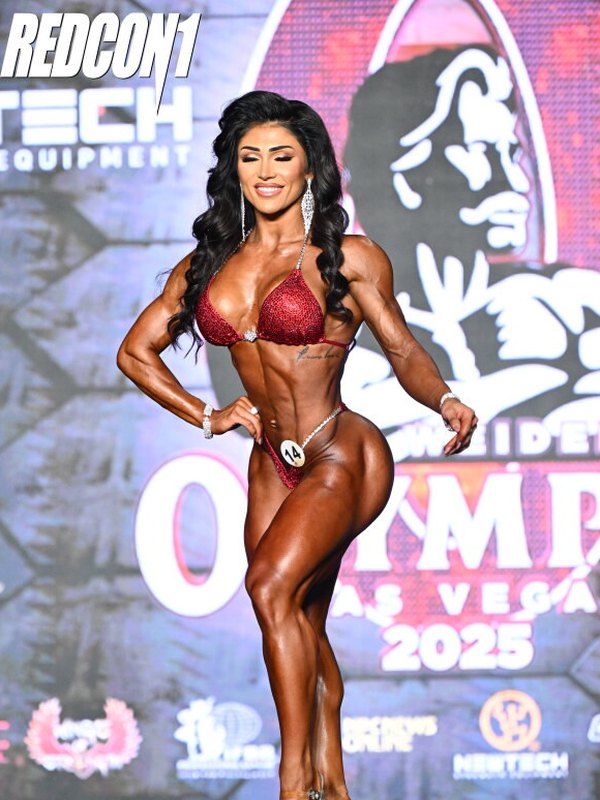
Peak week before a show: what works for everyone — the coach’s answer
▶Watch the clipBefore Tampa, Danik added only 50 g of carbs a day, about 200 kcal. At Olympia, Liza placed 11th. Why not higher? Not because of peak week.
Peak week doesn’t take away the layer of fat.Watch this moment · 1:01:28
Cutting water can take your glutes from 97 cm to 95 cm, but fat doesn’t come off that way. If an athlete is in 16th place, they simply need to get leaner, not “peak.”
Profile: Danil Arsenyev
This was our longest and probably our most useful breakdown yet: more than an hour on every division, the judging, genetics and peak week. If you want to see the athletes in motion, with posing and side-by-side comparisons, watch the full episode. And now a question for you: who was your Olympia 2026 favorite, and do you agree with Nick Walker’s win? Tell me in the comments under the video.





 Kristina Samofal
 Photo & Video Production