

Asylum at the Southern Border: The Supreme Court Will Decide Whether Trump’s Ban Is Legal — What It Means for Applicants
Asylum at the U.S. southern border: on November 13 the Supreme Court agreed to decide whether the president can shut off asylum claims entirely for people crossing from Mexico. A ruling is due by the end of June 2027, and the ban stays in effect in the meantime. Here’s the dispute in plain words and what to do if it touches your family.
Friends, this one is for everyone who follows asylum news. On Friday, November 13, the U.S. Supreme Court agreed to hear a case on whether the president can bar people who arrive at the southern border from asking for asylum. The case is Mullin v. Refugee and Immigrant Center for Education and Legal Services.
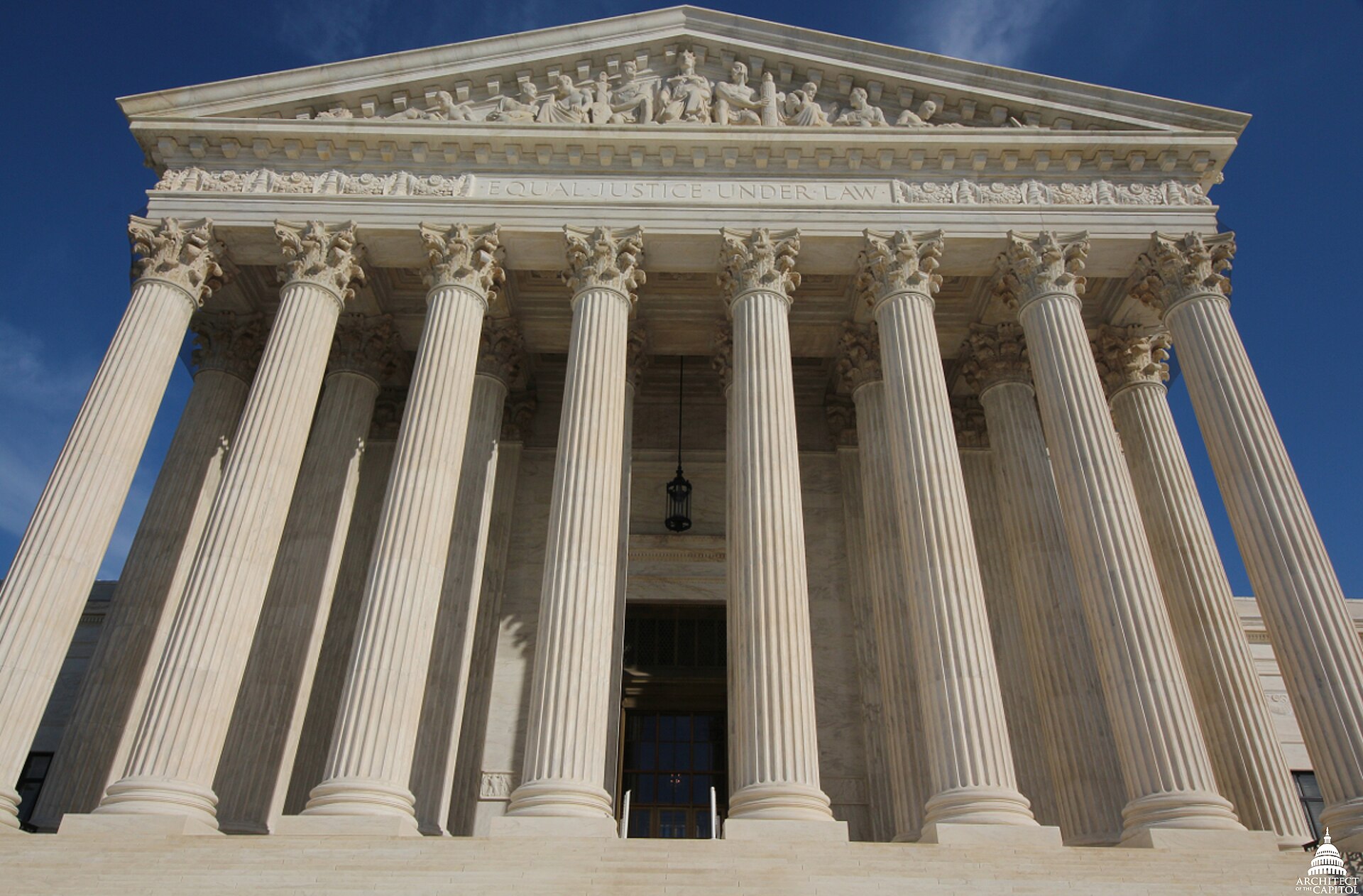
What the dispute is about:
- on January 20, 2025, President Trump signed a proclamation that called the situation at the southern border an “invasion.” Under it, people who cross without the required documents can be removed right away, with no chance to apply for asylum;
- in July 2025, U.S. District Judge Randolph Moss in Washington ruled the policy unlawful. In his view, the president cannot replace the rules Congress wrote into immigration law;
- in April 2026, the D.C. Circuit Court of Appeals agreed with him, and the administration went to the Supreme Court;
- the lawsuit was brought by 13 individuals and three immigrant rights groups, represented by the ACLU.
What each side says. The government argues that the president has broad power to keep foreigners out when their entry harms the country’s interests. The plaintiffs’ lawyers answer that Congress created the asylum process, and an order from the president cannot erase it.
What it means for you:
- nothing changes right now: while the case is pending, the ban at the border stays in effect;
- according to U.S. media, arguments are expected in the spring, and the court will rule by the end of June 2027;
- the case is about people arriving at the southern border. If you are already in the United States and your asylum case is with USCIS or an immigration court, this decision by itself neither closes your case nor speeds it up;
- the court will also decide whether a case like this can proceed as a class action, which determines how many people the outcome covers.
My advice: don’t trust anyone who promises, for a fee, to “get you in before the ruling,” or who tells people to head for the border “while the window is open.” There is no window right now. If someone close to you plans to seek asylum, talk first to a licensed immigration attorney or an accredited nonprofit. The Justice Department keeps a list at justice.gov/eoir.
This term the court will hear two more immigration cases: one on sending people to third countries they have no ties to, and one on holding people without a time limit during deportation proceedings. I’ll keep watching and let you know when arguments are scheduled.
Source: NBC News (November 13, 2026), CNN (November 13, 2026), Border Report
Rules and deadlines may change — always check the official source.




 Kristina Samofal
 Photo & Video Production