

ICE after the midterms: no slowdown in arrests, with a target of about 19,000 a week
CBS News reports that immigration officers were told to aim for roughly 2,700 arrests a day. The Department of Homeland Security says it isn’t slowing down, even though the president called deportations “too tough” that same day.
Friends, earlier today I wrote about what Trump said on “60 Minutes”: that deportations had been “too tough.” Now for what’s happening on the ground. It’s a different picture, and it matters more than any interview quote.
Here’s what we know so far:
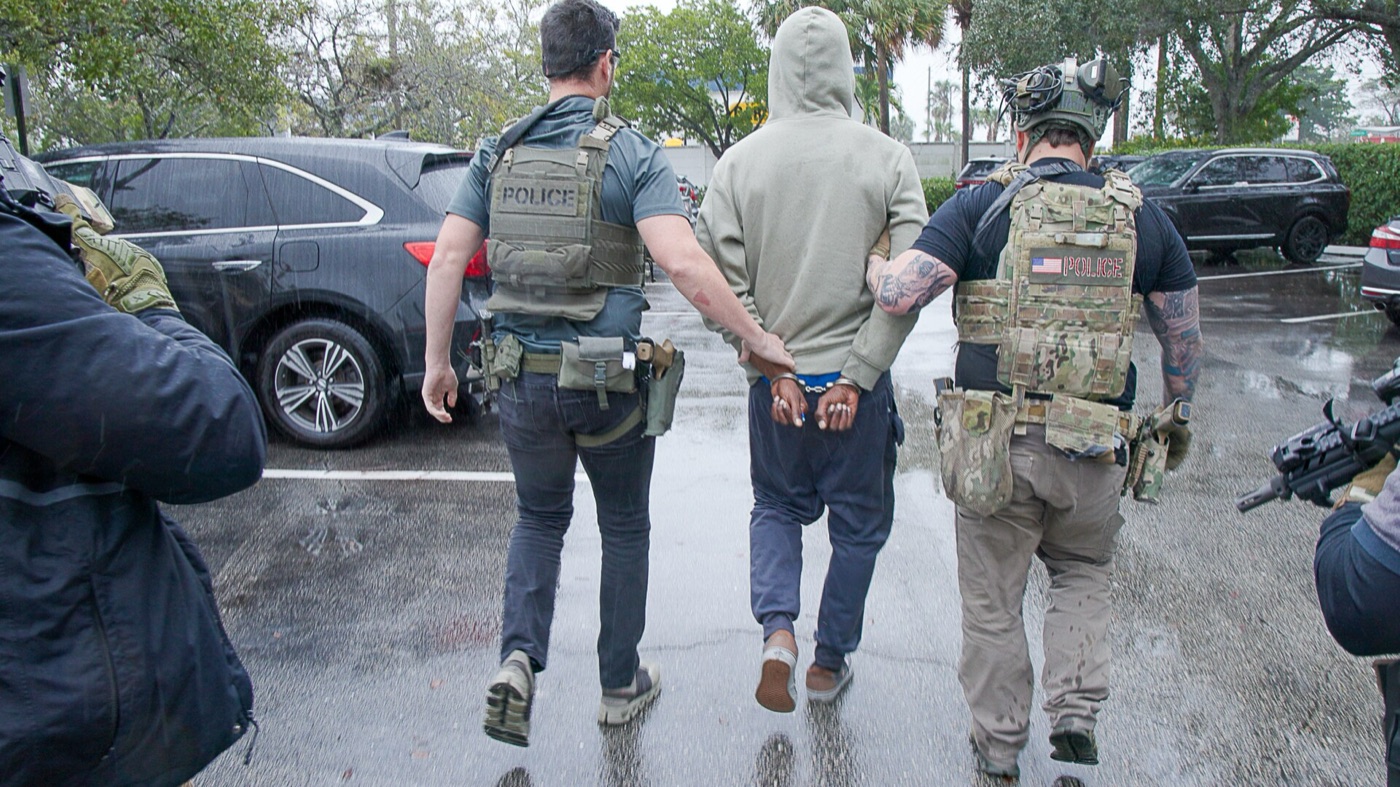
- CBS News, citing U.S. officials, reports that ICE officers were recently told to aim for about 19,000 arrests a week, or roughly 2,700 a day. The previous target was 2,000 a day. The new goal was set before the November 3 election;
- ICE has received no instructions to ease up since the election. One official told CBS to count on “the opposite”;
- the Department of Homeland Security (DHS) said Sunday that ICE is not “backing away or slowing down.” The day after the election, Secretary Markwayne Mullin posted: “Deportations will continue”;
- on November 6, Stephen Miller, one of the main architects of the current immigration policy, was named White House chief of staff. CBS’s sources point to that promotion as the reason no pullback is coming;
- the money is there: back in 2025, Congress gave ICE $75 billion through 2029. Democrats take over both chambers in January and can call officials in for hearings, but cutting that funding without the president’s signature will be hard.
What this means for you:
- the rules haven’t softened. Go by what the agency does, not by what gets said in interviews;
- carry proof of your status: your green card (holders are required to have it on them), your work permit, a copy of your I-94 or your USCIS receipt notice;
- don’t miss court hearings or ICE check-ins, and if you move, give USCIS your new address within 10 days (Form AR-11);
- know your rights: you can stay silent and ask for a lawyer; you don’t have to open your door without a warrant signed by a judge; don’t sign anything you don’t understand;
- make a family plan ahead of time: an immigration attorney’s phone number, who picks up the kids from school, where the copies of your documents are.
For your own case, talk to a licensed immigration attorney. If the tone or the rules really do change, I’ll tell you here.
Source: CBS News (November 8, 2026); NPR (November 9, 2026)
Rules and deadlines may change — always check the official source.




 Kristina Samofal
 Photo & Video Production